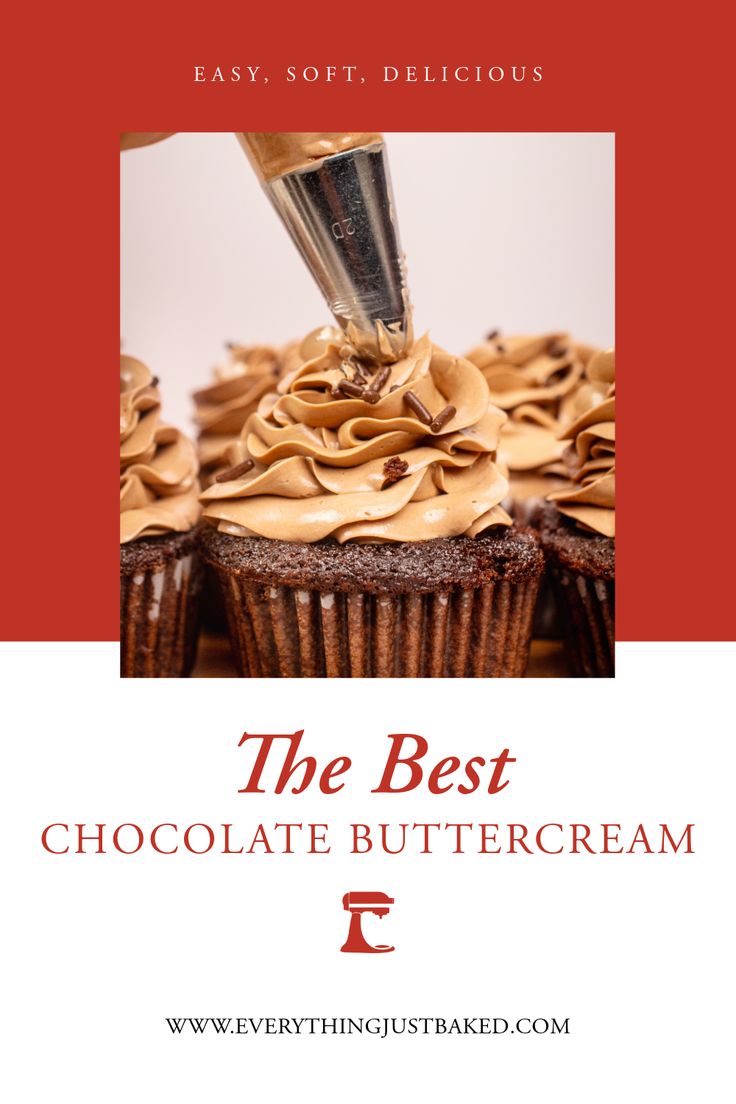
Secrets to Perfect Chocolate Buttercream: Essential Ingredient Tips
There's something truly magical about a perfectly frosted chocolate cake, and at its heart often lies an irresistible chocolate buttercream frosting. Rich, smooth, and utterly decadent, homemade chocolate buttercream elevates any dessert from good to unforgettable. Forget those bland, overly sweet store-bought tubs – crafting your own from scratch is not only surprisingly simple but also delivers a depth of flavor and creamy texture that no pre-made product can match. Whether you're topping a classic birthday chocolate cake or delicate cupcakes, understanding the role of each essential ingredient is your secret weapon for achieving that coveted, bakery-quality finish every single time.
This isn't just a recipe; it's a guide to mastering the nuances that transform simple pantry staples into a luscious, pipeable dream. We'll delve into the "why" behind each ingredient choice, ensuring your next batch of chocolate cake chocolate buttercream frosting is nothing short of perfection.
The Foundation: Why Homemade Chocolate Buttercream Reigns Supreme
For years, the thought of making frosting from scratch might have seemed daunting, especially when a pre-made tub was just a grocery aisle away. But a quick revelation often shifts perspectives: homemade chocolate buttercream is not only incredibly easy, often coming together in under 10 minutes, but it also offers unparalleled taste and texture control.
Ditching the pre-made stuff means saying goodbye to artificial flavors and unnecessary preservatives. Instead, you're in control of the sweetness, the chocolate intensity, and the overall richness. The result is a vibrant, fresh-tasting frosting that perfectly complements your baked goods, especially a warm, moist chocolate cake. It’s a game-changer that will have you licking the spatula clean and wondering why you ever hesitated. For more detailed instructions on whipping up this delight in no time, check out our guide on
Easy Chocolate Buttercream: Rich & Fluffy in Under 10 Mins.
The Essential Six: Unlocking Flavor and Texture with Key Ingredients
Creating the best chocolate buttercream frosting relies on just a handful of ingredients. However, it's not just *what* you use, but *how* you prepare and combine them that makes all the difference.
Butter: The Softened Secret to Silky Smoothness
The very first ingredient, and arguably the most crucial for texture, is butter. But not just any butter – **softened butter**. This isn't a suggestion; it's a non-negotiable step.
*
Why it matters: Butter, when properly softened (but not melted!), has a pliable, creamy consistency. This allows it to easily incorporate air during the creaming process, leading to a light and fluffy frosting. More importantly, softened butter emulsifies beautifully with other ingredients like sugar and cocoa, creating a homogenous, smooth mixture.
*
What happens otherwise: If your butter is too cold, it won't cream properly. You'll end up with lumps, and the frosting will likely have a curdled or greasy appearance and a grainy texture, as the butter won't blend smoothly with the other components. If it's too warm or melted, the frosting will be soupy and lack the necessary structure to hold its shape. Aim for butter that gives slightly when pressed, but still holds its form.
Unsweetened Cocoa Powder: Your Chocolate Flavor Powerhouse
The rich, deep chocolate flavor in your frosting comes primarily from unsweetened cocoa powder. The choice here allows for some customization based on your desired outcome.
*
Natural Cocoa Powder: This is light brown and acidic. It reacts with baking soda in recipes (though not critical for frosting, it impacts flavor profile). It provides a classic, somewhat fruity chocolate flavor.
*
Dutch-Processed Cocoa Powder: This cocoa has been treated with an alkali to neutralize its acidity. It's darker in color, less bitter, and has a smoother, mellower chocolate flavor. It creates a beautiful, dark chocolate buttercream.
*
Raw Cacao Powder: Less processed than either natural or Dutch-processed cocoa, raw cacao retains more nutrients and often boasts a more intense, sometimes slightly bitter, and earthier chocolate flavor. If using cacao, you might want to start with a slightly smaller amount and adjust to taste, as its richness can be quite potent.
Regardless of your choice, **whisking or sifting your cocoa powder** before adding it to the butter is a vital step. Cocoa powder often forms stubborn lumps that can be difficult to fully incorporate later, leaving specks of dry cocoa in your otherwise smooth frosting.
Confectioner's Sugar: Sweetness and Structure
Also known as powdered sugar or icing sugar, confectioner's sugar is essential for both sweetness and the smooth, creamy consistency of your frosting.
*
Why it matters: Unlike granulated sugar, confectioner's sugar is finely ground and contains a small amount of cornstarch (usually 3%). The fine particles dissolve quickly and seamlessly, preventing a gritty texture. The cornstarch helps stabilize the frosting, giving it body and preventing it from becoming too runny.
*
Tip: Always sift your confectioner's sugar! It's prone to clumping, and sifting ensures a lump-free, uniformly smooth chocolate buttercream frosting.
Milk or Cream: The Creaminess and Stability Boost
To achieve that wonderfully creamy and stable chocolate buttercream, the type and temperature of your liquid are paramount.
*
High-Fat Content is Key: Opt for whole milk, half-and-half, or heavy cream. The higher fat content in these liquids contributes significantly to the richness and overall creaminess of the frosting. It also adds to the stability, helping the buttercream hold its shape, especially important when piping intricate designs on your
Homemade Chocolate Buttercream: Frost Cakes & Cupcakes Easily.
*
Room Temperature: Just like butter, your liquid (milk or cream) should be at room temperature. Adding cold milk to softened butter and other ingredients can cause the mixture to seize or curdle, resulting in a grainy, separated frosting. Let it sit out for 30 minutes to an hour before you start baking.
Vanilla Extract: The Universal Enhancer
While chocolate is the star, a good quality vanilla extract acts as its supporting cast, enhancing the overall flavor profile without overpowering it.
*
Pure vs. Imitation: Always reach for pure vanilla extract. Its complex, aromatic notes add depth and warmth to the chocolate, creating a more sophisticated and well-rounded taste. Vanilla flavoring, on the other hand, often tastes artificial and can detract from the natural flavors. If you're feeling adventurous, homemade vanilla extract is incredibly simple to make and yields a superior result.
Espresso Powder: The Secret Weapon for Deep Chocolate Flavor
Though optional, espresso powder is the insider's trick to making chocolate flavors truly sing. Don't worry, your chocolate buttercream won't taste like coffee!
*
Flavor Enhancer: Similar to how a pinch of salt can make sweet desserts taste sweeter, or vanilla can brighten sweet recipes, espresso powder deepens and intensifies the chocolate notes. It amplifies the natural bitterness and richness of the cocoa, making the chocolate taste *more* chocolatey, without adding any discernible coffee flavor of its own. It's especially effective in chocolate cake chocolate buttercream frosting, bringing out the best in both.
*
Availability: Espresso powder is readily available in most grocery stores, cooking supply shops, or online, and a little goes a long way.
Mastering the Method: Steps for Fluffy Perfection
Once you have your ingredients ready and understand their roles, the assembly process is incredibly straightforward, taking about 10 minutes from start to finish.
Pre-Prep: Sifting and Softening
Begin by ensuring your butter and milk are at room temperature. Sift your cocoa powder into a bowl to remove any lumps, and sift your confectioner's sugar as well. This simple step saves you from frustrating lumps later on.
The Creaming Stage: Butter and Cocoa Harmony
In a large mixing bowl, combine your softened butter with the sifted cocoa powder. Beat them together on medium speed until they are well combined, light, and creamy. This initial creaming incorporates air and ensures a smooth base.
Alternating Additions: The Key to Fluffiness
This is a critical step for achieving that coveted fluffy texture. With the mixer on low speed, alternately add the sifted confectioner's sugar and the room-temperature milk to the butter-cocoa mixture. Start and end with sugar. After each addition, increase the mixer speed to HIGH and beat for about a minute. This vigorous mixing after each incorporation aerates the frosting beautifully, making it incredibly light, fluffy, and delicious. Scrape down the sides of the bowl frequently to ensure everything is fully combined.
The Final Touches: Vanilla and Espresso
Once the sugar and milk are fully incorporated, reduce the speed to low and mix in the pure vanilla extract and, if using, the espresso powder. Beat until just combined. Over-mixing at this stage can sometimes deflate the frosting or make it greasy.
Tips for Troubleshooting and Perfecting Your Frosting
Even with the best intentions, sometimes frosting can be a bit finicky.
*
Too Dry/Stiff: If your chocolate buttercream frosting feels too thick or dry, add more room-temperature milk, one tablespoon at a time, beating well after each addition until it reaches your desired consistency.
*
Too Wet/Runny: If it's too thin, add more sifted confectioner's sugar, a quarter cup at a time, beating until thick enough. You can also try chilling the frosting for 15-20 minutes, then re-whipping it.
*
Grainy Texture: This is almost always due to cold butter or milk, or insufficient mixing. Ensure your ingredients are at room temperature, and don't skimp on the high-speed beating during the alternating additions.
*
Storage: Homemade chocolate buttercream frosting stores beautifully. You can keep it covered at room temperature for up to 2 days, refrigerated for up to a week, or frozen for up to a month. If refrigerating or freezing, let it come to room temperature, then re-whip it for a few minutes before using to restore its fluffy texture.
Conclusion
Creating the perfect chocolate buttercream frosting for your chocolate cake is a deeply satisfying endeavor that yields delicious results. By paying close attention to these essential ingredient tips – from the temperature of your butter and milk to the choice of cocoa and the secret boost of espresso powder – you unlock the full potential of homemade frosting. It's a simple process that guarantees a rich, creamy, and undeniably delicious finish, transforming everyday baked goods into extraordinary treats. So, go ahead, gather your ingredients, follow these insights, and prepare to delight in the sublime taste and texture of your own perfect chocolate cake chocolate buttercream frosting.